


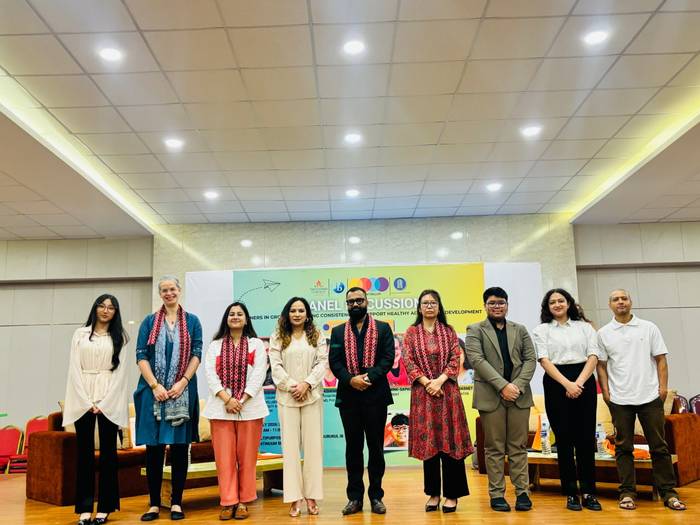



Swostishree Gurukul hosted a thought-provoking panel discussion on 05 July, bringing together professionals from education, mental health, and parenting to explore how schools and families can collaboratively support adolescents during a critical stage of their development.
The program began with a welcome address by Student Council President and MYP-5 student Anupriya Tandukar, who also introduced the panelists. The discussion was moderated by MYP-4 student Sparsha Panta.
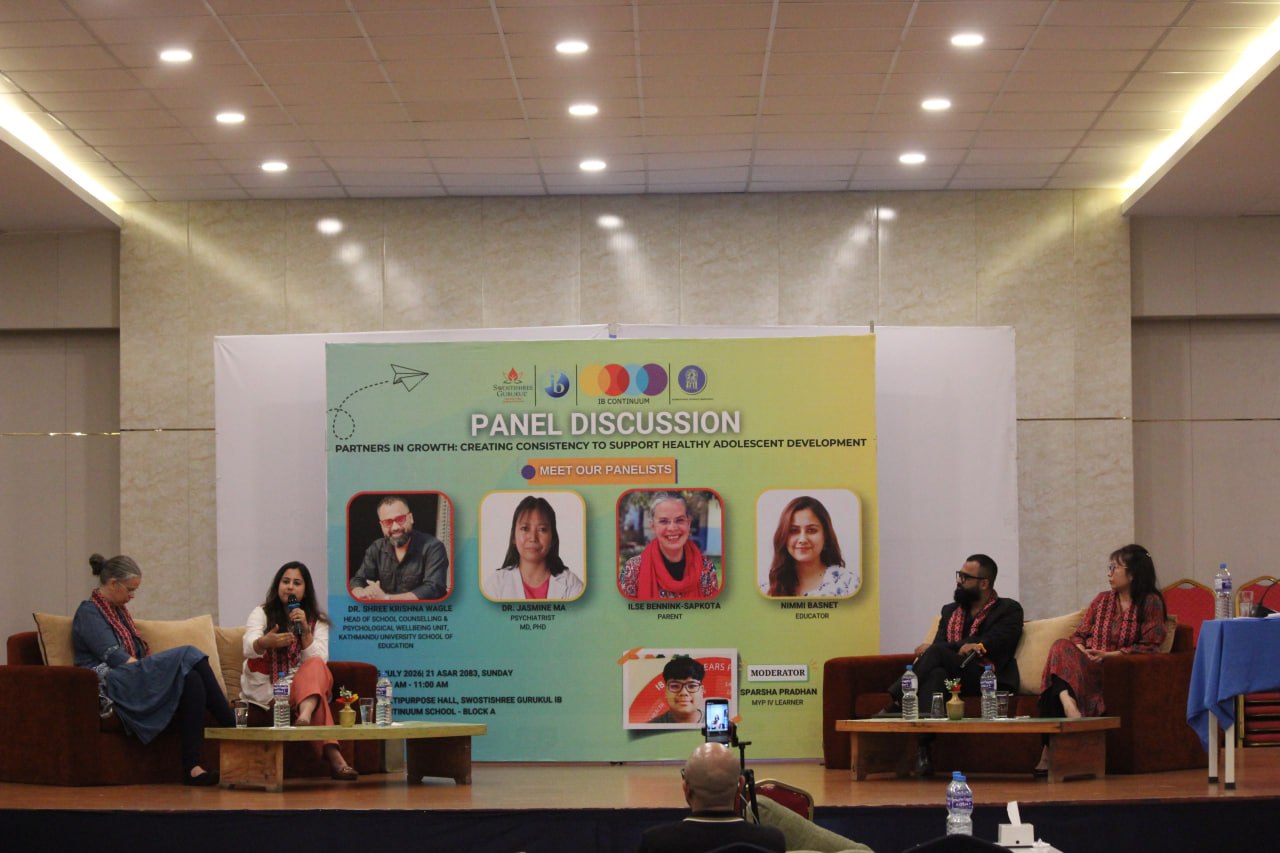
The panel featured Dr. Shreeksrishna Wagle, Head,,School Counselling and Psychological wellbeing Unit, Kathmandu University School of Education; Dr. Jasmine Ma, Consultant Psychiatrist at Norvic Hospital; Mrs. Ilse Bennink Sapkota, representing the parent perspective; and Ms. Nimmi Basnet, educator at Tergar School and former Teach For Nepal Fellow.
Throughout the discussion, the panelists emphasized that adolescents thrive when parents and educators work together with shared values and consistent communication. Dr. Wagle highlighted the importance of emotional regulation, teacher role-modelling, and understanding children’s emotions rather than reacting solely to their behaviour. Dr. Ma stressed that every child is unique and that children learn values by observing the adults around them. She also underscored the importance of creating safe spaces where young people feel heard without fear of judgment.
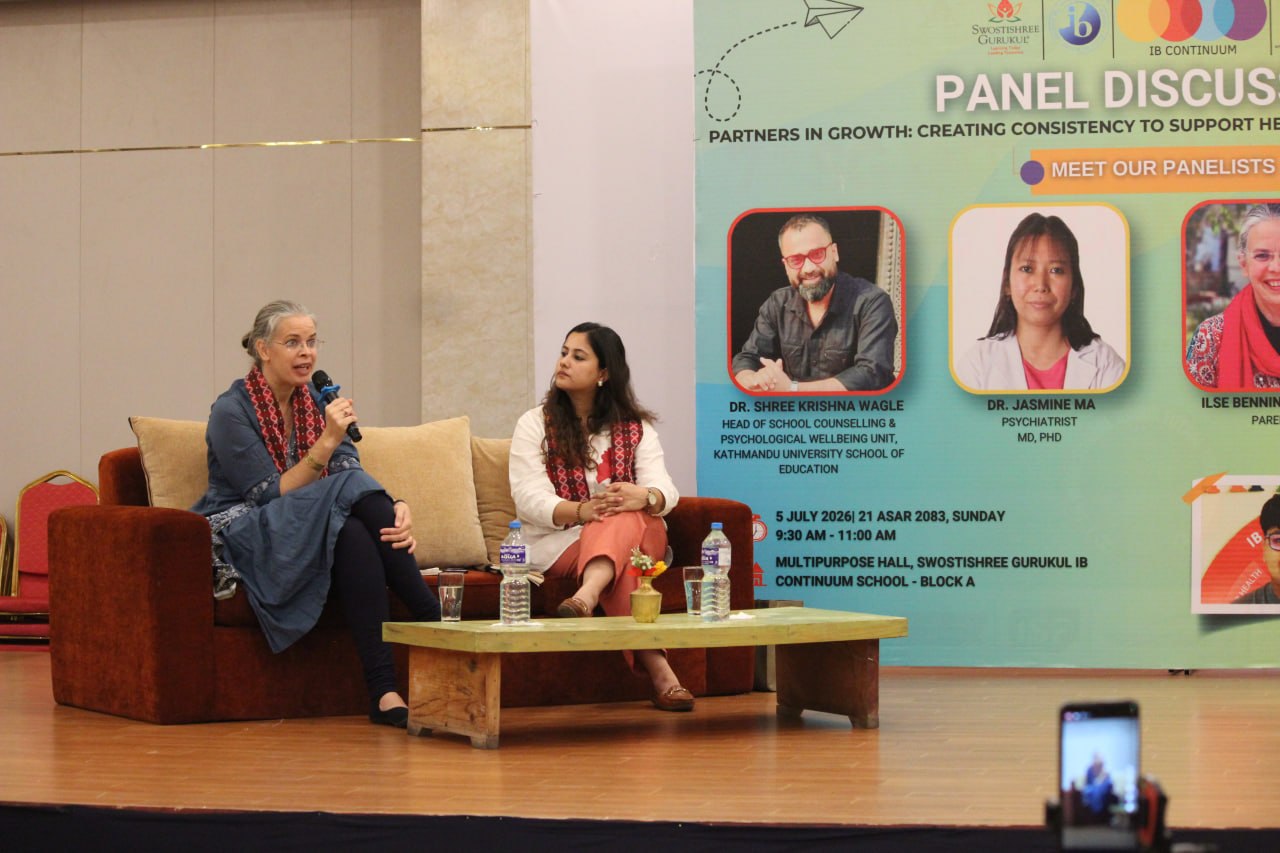
Speaking from a parent’s perspective, Mrs. Sapkota reflected on the role of trust, open communication, and a nurturing home environment in shaping children’s identity and resilience. Ms. Basnet shared her experiences working with adolescents, emphasizing the need for trust, consistent messaging between home and school, and the willingness of both parents and teachers to model vulnerability and lifelong learning.
In her concluding remarks, Principal Ms. Neha K C encouraged parents and educators to view adolescence as “a journey to be shared, not a problem to be solved.” She also reminded the audience that learning to say “no” is an important life skill and left participants with a memorable takeaway: “Connection before correction.”
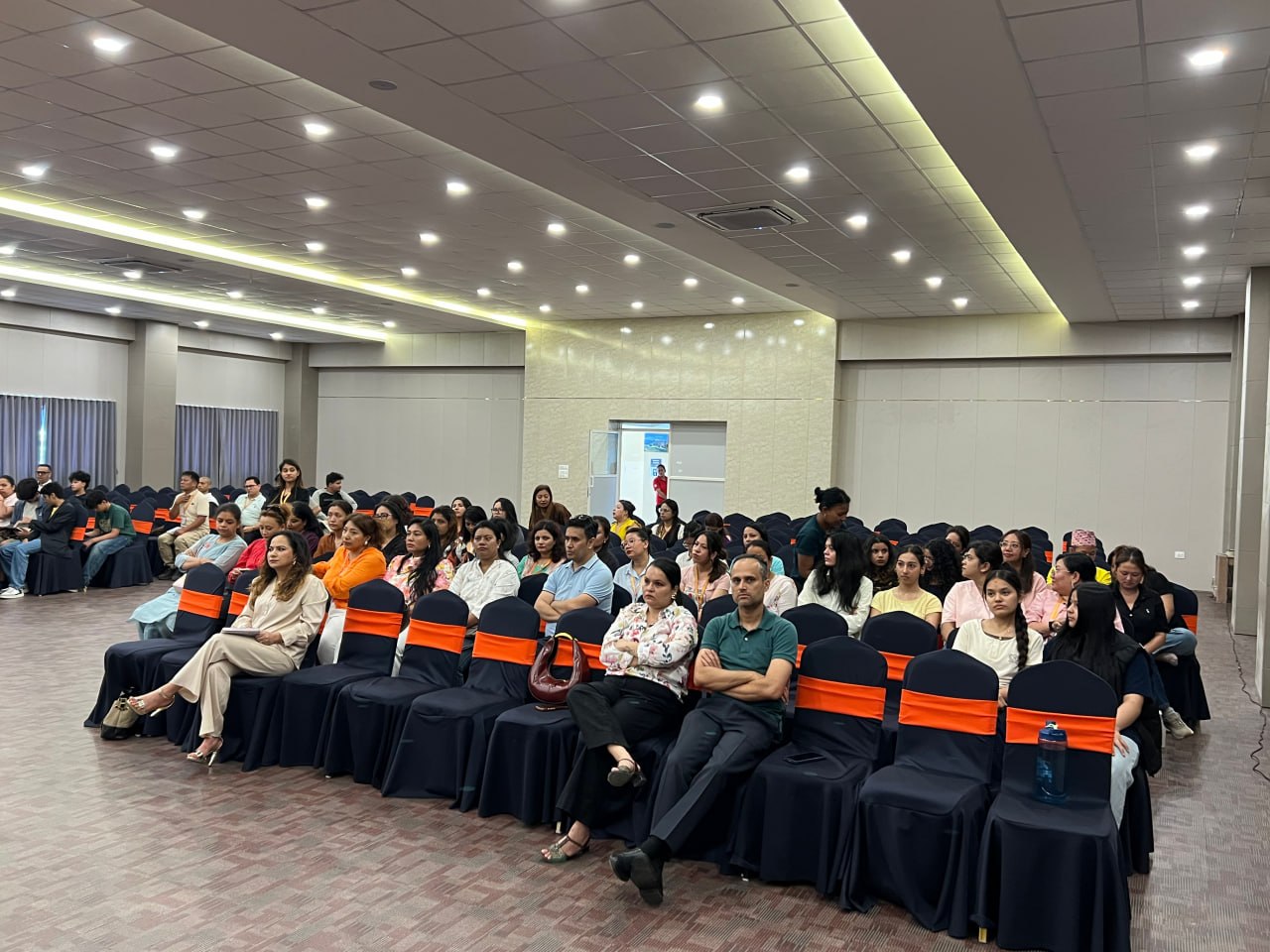
The discussion reinforced the importance of strong partnerships between schools, families, and the wider community in creating supportive environments where adolescents can grow with confidence, empathy, and resilience.